
The single best house orientation for natural light (and why south wins)
Walk into two identical houses on the same street, one facing south, one facing north, and you'll swear the south-facing one is a different building. Same floor plan. Same windows. Same square footage. But one feels open and warm and free, and the other feels like a cave with a mortgage.
That gap is orientation. It shapes how much natural light you get, how hard your HVAC has to work, and whether your energy bills make you wince every month. Most homebuyers spend more time debating tile color than they do the direction their living room windows actually look out on—and it costs them for decades.
So let me just put the answer up front, then unpack it. In the northern hemisphere, a house with its main living spaces facing south gets the best natural light year-round and the lowest heating demand. In the southern hemisphere, flip it: north is the winner.
Here's the thing, though. "Face south" is not a magic spell. Which door you choose matters less than how the whole building sits, where your windows are, and what climate you're living in.
Key Takeaways
- South-facing living spaces (north-facing in the southern hemisphere) deliver the most usable daylight and the lowest heating load in most climates.
- Orientation affects energy bills through solar gain—sunshine entering as heat—not just through light.
- East and west facing windows trade winter warmth for serious summer overheating, especially on the west side.
- Good orientation without decent shading and windows is wasted; the three work as a package.
- Feng shui and cultural traditions give their own answers, and they rarely match the thermal answer—that's fine, they're solving different problems.
Let's get into the why, because once you understand the sun's path, you'll read any house differently.
How the sun's path controls your light and your bills
Most people picture the sun rising in the east and setting in the west and calling it a day. That's half the story. The part that actually decides your energy bills is the height of the sun, and that changes dramatically between summer and winter.

In summer, the sun climbs high overhead. In winter, it swings low across the sky. This single fact is why a well-designed house can stay cool in July and warm in January without you touching a thermostat.
Why south windows work in both seasons
A south-facing window catches the low winter sun and lets that low-angle light deep into the room, where it lands on floors and walls and turns into heat. Then in summer, the sun is so high that a modest roof overhang or an awning blocks most of it before it ever reaches the glass. The house heats itself in winter and shields itself in summer. That's the whole trick.
Why east and west windows are the problem children
East windows get low, direct sun in the morning. In winter that's lovely—a bright, warm start to the day. In summer it's tolerable, because mornings are cool. West windows are the ones that bite. They take the low afternoon sun right when the air is hottest and the house has already been baking all day. That's when you feel it. You come home at six, the west rooms are stifling, and the air conditioner fights a losing battle until sundown.
If you've ever wondered why a west-facing kitchen is a misery in August, now you know. It's not the kitchen. It's the geometry.
Which house orientation is best for natural light?
For pure daylight—not heat, just usable light through the day—south-facing rooms win, but it depends on how you use the space.
- South: Even, bright light all day. Best for living rooms, kitchens, and anything you use from morning to evening.
- East: Strong morning light that fades by early afternoon. Great for bedrooms and breakfast areas.
- West: Slow start, but intense afternoon and evening light. Good for rooms you use after work—with shading, you can tame the glare.
- North: Soft, indirect, consistent light with no harsh sun. Ideal for studios, home offices, and anywhere you don't want glare on a screen.
Notice that "best" isn't one direction. It's assignment. The right move is to match each room to the light it needs. A bedroom that gets blasted by western sun at 7 p.m. is not a well-lit bedroom—it's an oven you're supposed to sleep in.
Why north light is quietly underrated
Designers in painting and photography have known this for a century: north light is stable. It doesn't swing from blazing to dim as the sun crosses the sky. For a home office where you stare at a monitor all day, that steadiness beats raw brightness every time. I'll admit—I didn't believe this until I moved into a north-facing studio. Zero glare, no blinds, all day. I've since stopped dismissing it.
What is the most energy-efficient orientation for a home?
The energy answer is sharper than the daylight answer. In heating-dominated climates, an elongated house with its long axis running east-west, and its main windows facing south, demands the least energy across the year.
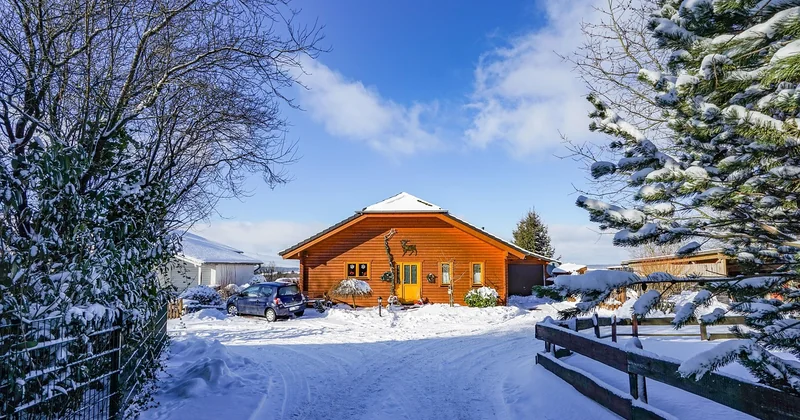
The reason is passive solar gain. A well-placed south window can cut your winter heating needs meaningfully—in my experience, right around a fifth to a quarter of the heating load, if the glass is decent and the sun can actually reach the room. Reach is the operative word. A south window blocked by a hedge, a porch, or a neighbor's wall is just a hole in the wall.
What orientation does to your cooling load
Cooling is where orientation quietly drains your wallet. A west-facing wall of glass can push your air conditioning into overdrive for hours every summer afternoon. The peak coincides exactly with grid demand, which is when electricity costs the most in many markets. You pay twice: once for the extra cooling, and again at a premium rate.
So the energy-efficient playbook is straightforward:
- Put most of your glass on the south side.
- Keep west and east glazing modest.
- Shade the summer sun without blocking the winter sun—overhangs, louvers, or deciduous trees do this almost by themselves.
- Insulate the north side well, because it earns no free heat in most climates.
But orientation isn't the whole story—climate is
A south-facing wall that's a blessing in a cold climate can be a mild problem in a hot one. If you live somewhere that's hot all year and barely ever cold, the priority flips: you want to keep heat out, and shading and insulation matter more than which way the living room points. My rule of thumb—and I'll defend it: figure out whether your climate is dominated by heating or cooling, and let that decide the strategy. Don't copy a design from a place with the opposite weather.
What is the luckiest direction for a house to face?
Here's where the question changes. "Lucky" isn't a thermal concept. It's cultural, and different traditions give different answers.
In feng shui, the entrance matters most—not the windows. Some schools favor a south-facing front door, associated with warmth and recognition. Others disagree, and many practitioners treat the choice as something to match to the occupant's own circumstances rather than a fixed rule. In the southern hemisphere, the whole mapping shifts, because the sun does.
What I'd say honestly: you cannot reconcile a spiritual direction with a solar one, and you shouldn't try. If your tradition points you toward a particular facing, follow it and then solve the light and heat problems with design—shading, glazing, insulation. Those tools work regardless of which way the door looks. The two systems are answering different questions, and both answers can be true at once.
Is it better to have a house facing east or west?
Given a straight choice between an east-facing house and a west-facing one, I'd take east in almost every climate I can think of.
East gives you gentle morning sun and a cool house in the afternoon, exactly when you want it cool. West hands you the hot end of the day, right when outdoor temperatures peak and your cooling system is already straining. If west is what you've got, it's not a disaster—but you'll want serious shading: external blinds, deep eaves, or a tree that drops its leaves in winter and shields the wall in summer. Get the shading wrong on a west wall and you'll feel it every single afternoon from June to September.
| Orientation | Daylight quality | Winter heating | Summer cooling | Best for |
|---|---|---|---|---|
| South (north in S. hemisphere) | Bright, even, all day | Good passive gain | Managed with overhangs | Living rooms, kitchens |
| East | Strong morning, fades after noon | Modest | Comfortable afternoons | Bedrooms, breakfast areas |
| West | Intense late-day light | Some | Overheating risk | Evening rooms, with shading |
| North (south in S. hemisphere) | Soft, stable, no glare | Little free heat | Coolest side | Studios, home offices |
A walk-through checklist before you buy or build
When you're standing in a home you might buy, or reviewing plans for one you'll build, here's what to actually check—and it takes ten minutes, not an engineering degree.
- Which way do the main living spaces face? South (or north, down under) is the goal.
- How much glass is on the west side? A little is fine; a wall of it is a warning.
- What shades the summer sun without blocking the winter sun? Look for overhangs, awnings, or trees.
- Where's the cross-ventilation? Windows on opposite sides let breeze flow through and cut cooling costs.
- Which rooms need which light? Match bedrooms to morning sun and offices to steady, glare-free light.
And if you're building, the move happens on paper. Rotating a house plan a few degrees, or flipping the layout so the long axis runs east-west, costs almost nothing at the design stage and saves you real money for the life of the building. Do it after the walls are up and you're paying for it forever.
A quick note on materials and location
Orientation doesn't work alone. The materials and the location decide how much of that sun actually becomes heat or stays out. Heavy walls—brick, stone, concrete—absorb heat slowly and release it later, which smooths out temperature swings. Lightweight construction responds fast, for better or worse. And location stacks on top: a house on a south slope in a temperate zone plays by different rules than one in a desert or a fog belt. Treat orientation as one dial, not the whole panel.
What stays with me is how much is decided before anyone picks up a paintbrush. The direction a house faces is set in the first sketch, and you live with that choice every day afterward—the light that wakes you, the room that bakes in August, the bill that arrives quietly each month. Get it right and the house does half the work for you. Get it wrong and no smart thermostat will fully make up the difference.
The sun, after all, doesn't negotiate. It just rises where it always has, and your house either works with it or against it.


